
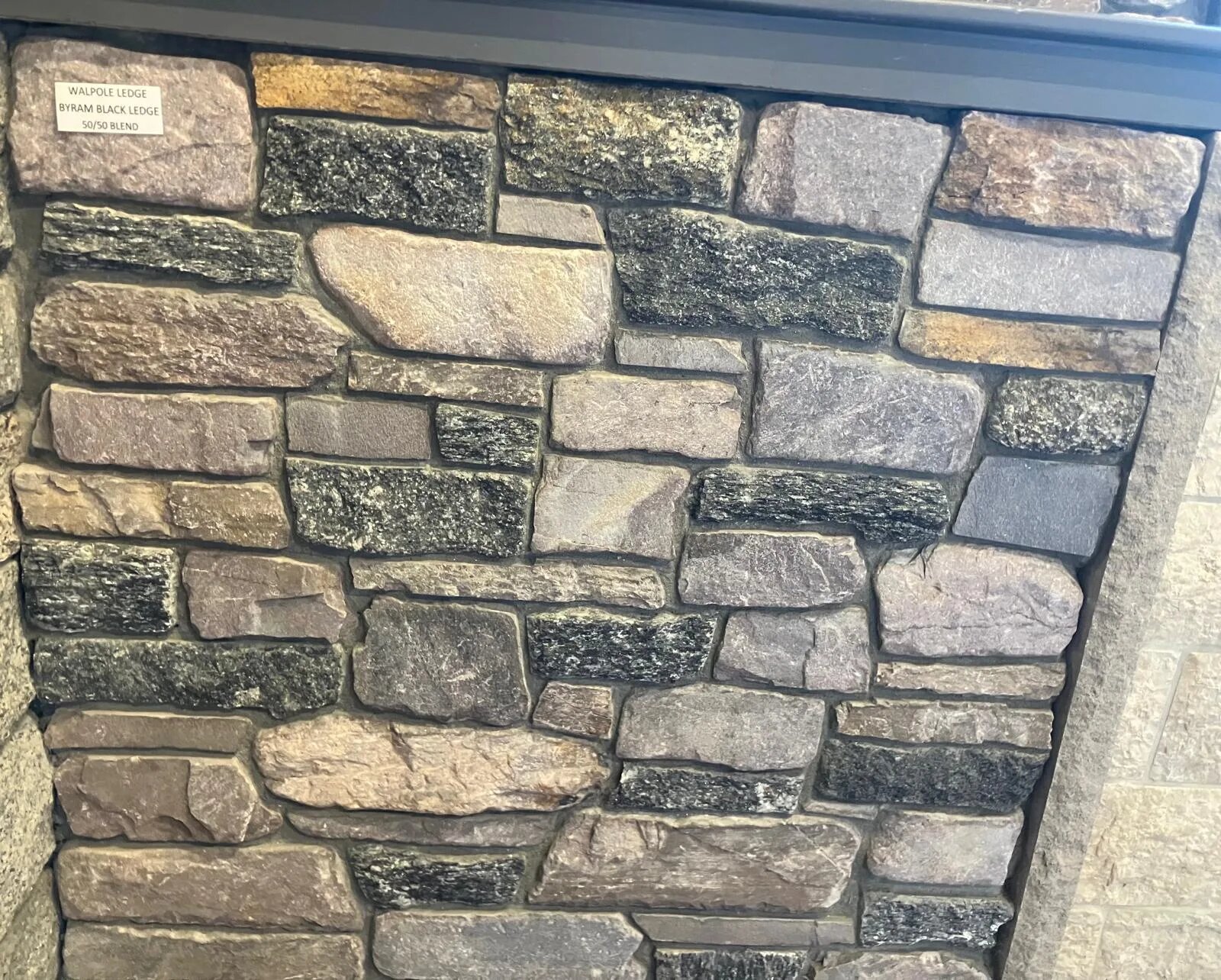
Freeze thaw damage is the reason a patio that looked perfect in October has lifted edges in April. Protecting pavers and stone from freeze thaw damage in Massachusetts comes down to keeping water out of the joints and out of the base before the first hard freeze.
Water expands when it freezes. Repeat that cycle dozens of times through a Greater Boston winter and any water trapped in a joint, a crack, or a saturated base starts doing damage.
How freeze thaw actually breaks hardscape
It works from the inside. Water gets into open joints or into a base that cannot drain, freezes, expands, and lifts whatever sits above it. On the thaw the material settles back slightly out of place, and the gap it leaves is bigger than before.
That is why damage shows up at edges, steps, and low spots first. Those are the places water collects.
Your fall protection checklist
- Sweep leaves and organic debris off patios and walkways so joints stay dry
- Refill washed out joints with polymeric sand while daytime temperatures are still mild
- Check that edge restraint is intact along every open edge of the patio
- Clear drain grates, catch basins, and the outlet where your drain line discharges
- Extend downspouts so roof water lands away from patios, steps, and the foundation
- Look for low spots that hold water and note them for regrading
- Inspect retaining wall faces for bulges, gaps, or seepage
- Cut back plantings that shed heavy leaf litter onto stone surfaces
Why polymeric sand matters more than it sounds
Joint sand locks pavers into a single interlocked field. Once joints wash out, individual pavers can rock, water pours straight into the base, and weeds and ants move in.
Refreshing sand is a small task that prevents an expensive one. It has to go in dry, which is why fall is the right time.
Deicing products and what they do to stone
Deicers are not all the same, and some are hard on concrete and mortar. Rock salt is common and inexpensive, and it is also the one most associated with surface scaling on concrete products.
| Product | Works to about | Notes for hardscape |
|---|---|---|
| Sodium chloride, rock salt | 20 F | Cheapest and most aggressive toward concrete surfaces and metal |
| Calcium chloride | Well below 0 F | Fast acting, use sparingly, rinse residue in spring |
| Magnesium chloride | Around 0 F | Gentler reputation, still use the smallest effective amount |
| Calcium magnesium acetate | Around 20 F | Often chosen near plantings, slower to act |
| Sand, no melting action | Any temperature | Traction only, no chemical effect on stone |
Whatever you use, less is better and mechanical removal first is better still. The Massachusetts Department of Transportation publishes background on road salt use and its environmental effects at the MassDOT snow and ice program.
Winter habits that cause spring repairs
- Chipping ice with a metal spade, which chips stone and paver edges
- Piling snow against a retaining wall face, adding load and meltwater
- Dumping deicer in heavy piles instead of a light even spread
- Plowing across pavers with a steel edge and no shoes on the blade
- Ignoring a clogged drain outlet until meltwater has nowhere to go
- Letting gutters overflow onto steps, which glazes them with ice
Coastal and inland differences around Boston
Coastal towns like Quincy, Hull, and Cohasset swing above and below freezing more often, so they get more cycles and more salt exposure from both roads and air. Inland towns like Needham and Canton hold cold longer, which means fewer cycles but deeper frost.
Both patterns punish poor drainage. The fix is the same in either place, which is keeping water moving away instead of sitting still.
When to call instead of doing it yourself
Sweeping, sand, and downspouts are homeowner work. Bulging walls, sunken patio sections, and water that pools against a foundation are not, because the cause is under the surface.
Our seasonal landscaping maintenance guide for Massachusetts homes covers the rest of the year, and the signs you need stonework post explains what each symptom points to.
Want the inspection handled for you before winter? See our property maintenance service or call (857) 880-6609 and we will walk the property with you.
Frequently asked questions
- Should I seal my pavers before winter?
- Sealing is optional and it is not a substitute for joint sand or drainage. If you do seal, follow the manufacturer instructions for temperature and cure time, and make sure the surface is clean and dry first. A sealed patio with washed out joints will still move.
- Is rock salt safe on a paver patio?
- It is the harshest common option for concrete surfaces and hardware. If you use it, spread it thinly and only where you need traction, then rinse residue in spring. Sand gives traction with no chemical effect at all.
- My pavers lifted this spring, do I need a whole new patio?
- Often no. If the base is sound and only a section moved, pavers can be lifted, the base re leveled and recompacted, and the units reset. When the original base was too thin, resetting the surface is temporary and a rebuild is the real fix.
- When is the last good time to refresh joint sand?
- While the surface is dry and daytime temperatures are still mild, which around Boston usually means through October. Polymeric sand needs dry conditions and a proper activation to set correctly.
- Does snow itself damage a patio?
- Snow sitting on a well built patio is not the problem. Meltwater with nowhere to drain is. Keep drains clear, keep snow piles off wall faces, and the freeze thaw cycle has much less to work with.
Planning a grading & land clearing project in Boston, Massachusetts and nearby towns? Learn more about our grading & land clearing service or get in touch directly.
Call Bear Valley Stonework & Landscape at (857) 880-6609 for a free estimate anywhere in Quincy, Milton, Braintree, Weymouth, Hingham, Newton, Brookline, and the rest of Greater Boston.